
Introduction
Being involved in a vehicle collision — even a minor one — triggers a series of decisions and processes that most drivers are unprepared for: insurance claim filing, body shop selection, parts choice negotiations, rental car coordination, and the challenge of verifying that repairs are performed correctly. The collision repair industry in the United States processes millions of vehicle repairs annually, and navigating it effectively makes a significant difference in the quality of the repair, the cost to the vehicle owner, and ultimately the safety and resale value of the repaired vehicle. This guide provides a comprehensive walkthrough of the collision repair process from the immediate aftermath of an accident through final quality inspection.
Immediate Steps After a Collision
The actions taken in the minutes and hours immediately after a collision establish the foundation for everything that follows. At the scene, ensure all parties are safe, call emergency services if there are injuries, and move vehicles to a safe position off the road if possible and safe to do so. Document the scene thoroughly: photograph damage to all vehicles from multiple angles, capture the broader accident scene showing road conditions and relevant signage, and exchange insurance information, driver’s licence, and contact details with all parties involved. Obtain the names and contact information of any witnesses. In most states, a police report is required if injuries occurred or damage exceeds a specified dollar threshold — even where not legally required, a police report provides an impartial third-party record that is valuable in disputed liability situations. Notify your insurance company of the accident as soon as practical — delays in notification can complicate claims.
The Insurance Claim and Repair Estimate Process
Filing a collision repair insurance claim requires deciding whether to claim on your own policy (using collision coverage, subject to your deductible) or to claim on the at-fault party’s liability coverage. Your insurer will appoint an adjuster — either a field adjuster who physically inspects the vehicle or a virtual adjuster who reviews your photographs — to prepare a damage estimate. The initial estimate produced by an adjuster frequently underestimates total repair cost because additional damage is often discovered once panels are removed and internal structure is inspected — a process called supplemental damage discovery. Reputable body shops manage this supplement process directly with your insurer, submitting updated estimates as additional damage is found. Your insurer may direct you to a Preferred Repair Network shop — these offer the convenience of insurer-guaranteed quality and streamlined claims but you are not legally obligated to use them in most states, and you retain the right to choose any licensed collision repair facility.
Choosing a Body Shop: What to Look For
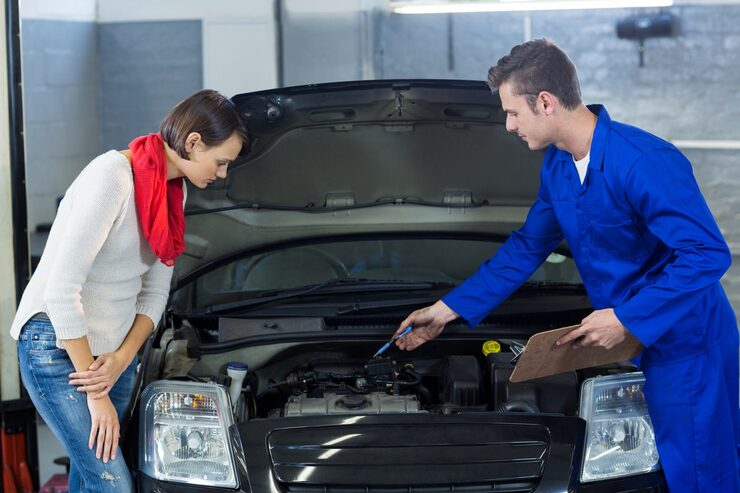
Body shop selection significantly influences the quality of your collision repair, and the choice deserves deliberate evaluation rather than defaulting to the insurer’s preference or the nearest location. I-CAR Gold Class certification indicates that a shop’s technicians meet industry training requirements for collision repair — this is a meaningful quality baseline. Manufacturer-specific certification programmes (Ford Certified Collision Repair, Toyota Certified Collision Center, Tesla Approved Body Shop) indicate shops trained and equipped to repair those specific brands’ vehicles, particularly relevant for aluminium-intensive vehicles like the Ford F-150 or Tesla models that require specific tools and techniques not universally available. Read online reviews with attention to comments about communication quality, timeline accuracy, and how the shop handled issues discovered after pick-up. A body shop that provides a detailed written repair plan, proactively communicates progress, and backs its work with a written warranty on parts and labour is demonstrating the professional standards worth paying a modest premium for.
OEM vs Aftermarket vs Salvage Parts: Understanding Your Options
One of the most contested dimensions of collision repair is the choice between Original Equipment Manufacturer (OEM) parts, aftermarket (non-OEM) replacement parts, and salvage (used OEM) parts. OEM parts are manufactured by or for the vehicle manufacturer to factory specifications and guaranteed to fit precisely and perform as designed. Insurers often specify aftermarket or salvage parts to reduce repair costs, but aftermarket parts vary in quality and fit precision, and poorly fitting body panels affect both appearance and structural integrity at panel seams. Consumer advocates and collision repair industry organisations argue that OEM parts are the appropriate standard for safety-relevant components — particularly structural parts, airbag system components, and crumple zone elements — because aftermarket equivalents are not independently safety-tested to the same standard. Many insurers will agree to OEM parts if you specifically request them and can justify the choice; some states have laws requiring insurer disclosure of part types used. Knowing this negotiation is possible — and that you have the right to request OEM parts — is valuable knowledge before you sign a repair authorisation.
The Repair Process and Quality Inspection
A complete collision repair follows a defined process: disassembly and damage documentation, frame or structure straightening if required (using computerised measuring systems to verify factory geometry), replacement of damaged structural and body components, welding, body work (metal straightening and filler application for minor deformation), primer application, colour matching and paint application in a controlled environment, clearcoat application and curing, reassembly, and final quality inspection. Modern colour matching technology — spectrophotometric paint analysis — enables very precise colour formulation, but panel-to-panel colour consistency is a skill that separates excellent paint shops from mediocre ones. Before accepting the vehicle, inspect the repair carefully in daylight: check panel gaps and flush alignment across all repaired panels (uneven gaps indicate poor alignment), look at the paint from multiple angles for colour match, texture consistency, and absence of runs or contamination, and ensure all replaced components (lights, sensors, trim) function correctly. A reputable shop will address any legitimate quality concerns identified at delivery.
Frequently Asked Questions
How long does collision repair take? Minor panel and paint repair: two to five days. Moderate structural damage: one to three weeks. Severe structural damage: three to eight weeks or more depending on parts availability. Does collision repair affect resale value? A disclosed collision repair history does reduce resale value, typically by 10–25% depending on severity — maintaining detailed repair documentation demonstrating quality work minimises but does not eliminate this effect. What warranty should I expect on collision repair? Reputable shops offer a lifetime warranty on workmanship for as long as you own the vehicle; paint warranties of five to seven years against defects are also standard.
Conclusion
Collision repair is a process where informed consumer participation makes a meaningful difference in outcomes. Understanding your right to choose your own body shop, your ability to request OEM parts, the supplement process for additional damage, and the quality inspection standards that define acceptable work protects your vehicle’s safety, appearance, and value after the disruption of an accident. Work with certified, reputable shops, stay engaged with the repair process, and insist on written warranty coverage for the work performed.